Tales of Eternia Remastered New Features and Quality-of-Life Updates
Discover all the new features, quality-of-life enhancements, and modern improvements coming to Tales of Eternia Remastered on Steam and other platforms.
Published: Tales of Eternia Remastered Wiki Editorial Team
Table of Contents
Exploring What's New in Tales of Eternia Remastered
The release of classic JRPGs on modern systems often sparks excitement and hesitation among longtime fans and newcomers alike. When Bandai Namco announced Tales of Eternia Remastered, developed by TOSE Co., Ltd., players anticipated how a beloved 2000 title would transition to contemporary hardware. Rather than altering the core identity of the adventure, this remastered version focuses on thoughtful quality-of-life adjustments, visual preservation, and streamlined navigation while keeping the original tactical Action RPG mechanics intact.
According to developer insights and initial community reports from early players, the game aims to bridge the gap between nostalgic retro design and modern gaming expectations. Whether you are stepping into the worlds of Inferia and Celestia for the first time or returning to master the unique combat systems, understanding the newly added features helps determine how the updated experience compares to the original release.
Key Quality-of-Life Enhancements for Modern Play
One of the most notable hurdles in playing older JRPGs is navigating complex maps and dealing with friction from era-specific design choices. Tales of Eternia Remastered introduces several modern conveniences designed to make progression smoother without undermining the challenge of the journey.
Quest Indicators: Clear directional markers pointing toward your current main objectives, helping prevent players from getting lost during extended exploration phases.
Random Encounter Toggles: An optional setting allowing players to turn off automatic random battle encounters for a more direct or streamlined playthrough experience.
Performance Optimization: Solid performance targeting high frame rates on modern hardware, ensuring smooth traversal through open-world maps and side-scrolling combat encounters.
Party and Inventory Shortcuts: Assignable skill shortcuts and quick-access menus during battle to manage character formations and spells efficiently.
These adjustments cater to players who appreciate retro aesthetics but prefer modern quality-of-life standards. As noted in player experience reviews, the inclusion of quest indicators is particularly helpful given the sprawling structure of the game's world map and dungeons.
Combat Mechanics and the Aggressive Linear Motion Battle System
At the heart of Tales of Eternia Remastered is its distinctive combat framework. Operating as an Action RPG with JRPG elements, battles unfold in real-time on a lateral or side-scrolling screen. This setup draws heavy inspiration from classic 2D beat 'em up games, creating a fast-paced environment where player positioning and tactical party management matter.
Aggressive Linear Motion Battle System
The core combat engine uses lateral movement, allowing players to control the main character while managing party AI for aggressive or defensive formations. Random encounters can occasionally surround the party from both sides, requiring careful tactical adjustments.
Craymel Arts and Magic Systems
Magic in the game is divided into normal spells and powerful Great Craymel Arts. Players acquire spirits throughout the story and utilize a mechanic called Fringe to combine elements and unlock devastating new spells.
Party Control and Shortcuts
While you directly control only the main character during active combat, pressing specific menu buttons allows you to trigger companion skills instantly or issue tactical commands on the fly.
While the side-scrolling perspective creates an engaging flow, community reports indicate that specific boss encounters can occasionally present camera or spatial challenges when the party is crowded or surrounded on both sides. Utilizing shortcut assignments for companion abilities significantly mitigates these pacing hurdles during intense skirmishes.
Visual Presentation and Audio Design
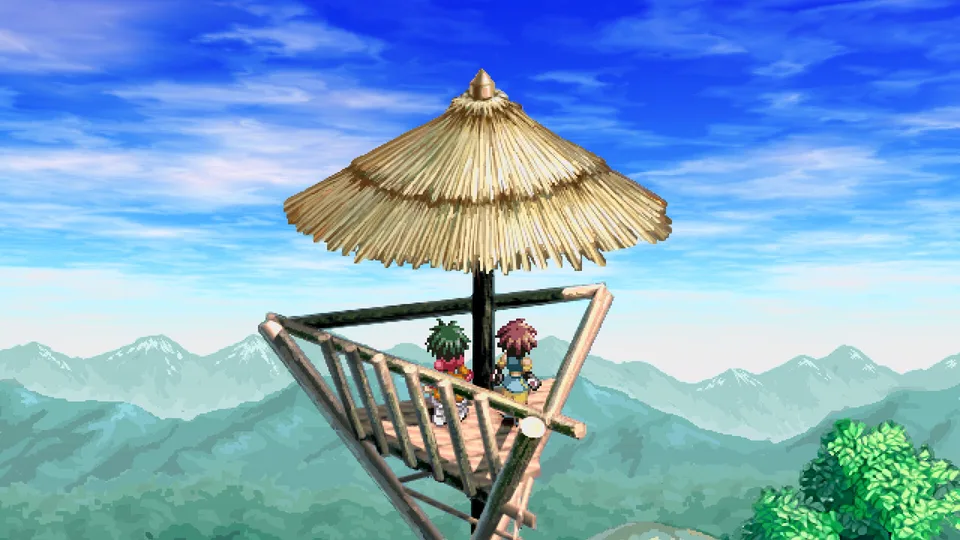
Preserving the visual charm of a classic title while modernizing it for high-resolution displays requires a delicate balance. Tales of Eternia Remastered opts for a polished pixel art format that maintains the expressiveness of the original character designs while delivering clean, sharp assets suitable for modern screens.
Community feedback highlights that the pixel art successfully captures the distinct atmospheres of Inferia and Celestia. Inferia offers traditional forest landscapes and simple terrain, whereas Celestia provides a technologically advanced, contrasting backdrop.
On the audio front, the soundtrack remains a standout pillar of the experience. Every musical track reflects the mood and cultural identity of the respective worlds, continuing the franchise's tradition of strong audio direction. According to hardware performance analyses on current systems like the PlayStation 5, the game delivers a stable 60 frames per second, ensuring fluid animations and zero visual stutter during transitions.
Preparing for Your Journey Across Inferia and Celestia
For players planning to dive into the adventure, checking official availability and system requirements is the best starting point. You can review the official store page and add the title to your wishlist directly via the Steam Store for Tales of Eternia Remastered. Additional project announcements and updates can also be found on the Bandai Namco Official Tales of Eternia Remastered Site.
Tip
If you prefer a faster-paced narrative experience without traditional grind, experiment with the new encounter toggle settings early in your playthrough to find a pacing balance that suits your preferred playstyle.
Frequently Asked Questions
Is Tales of Eternia Remastered a complete remake or a remaster?
It is a remastered version designed to preserve the original 2000 experience while incorporating modern quality-of-life updates, enhanced visual fidelity, and high-framerate performance.
Can I control all party members directly in combat?
No, the player directly controls the main character, while other party members act automatically based on configured formations and tactics. You can trigger specific companion skills using menu shortcuts during battle.
What are the primary new quality-of-life features included?
Key additions include main quest path indicators to help with navigation, an option to disable random encounters, and assignable skill shortcuts for smoother combat management.